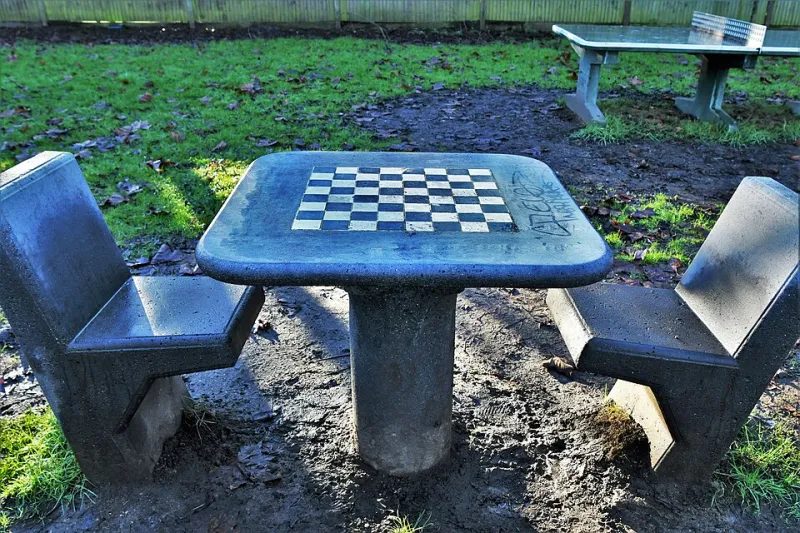
Pawns in the Park: The Outdoor Chess Tables Where London Slows Down
No clocks, no entry fee, no committee. On outdoor tables from Bloomsbury squares to estate courtyards, Londoners sit down as strangers and get up as regulars.
Your insider guide to the greatest city on earth
No clocks, no entry fee, no committee. On outdoor tables from Bloomsbury squares to estate courtyards, Londoners sit down as strangers and get up as regulars.

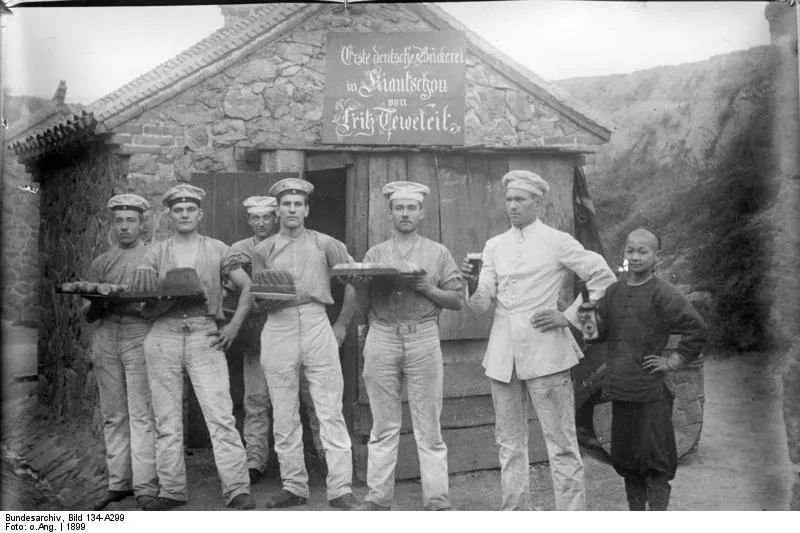
London has a second rush hour, and it happens in the dark. From midnight mixing bowls to the 4am queues of cabbies and nurses, the city's night bakeries keep a parallel London fed and talking.
Pie and mash is not a trend, a pop-up or a photo opportunity. It is a working-class London institution, and the people still serving it are making a quiet stand for the city's memory.
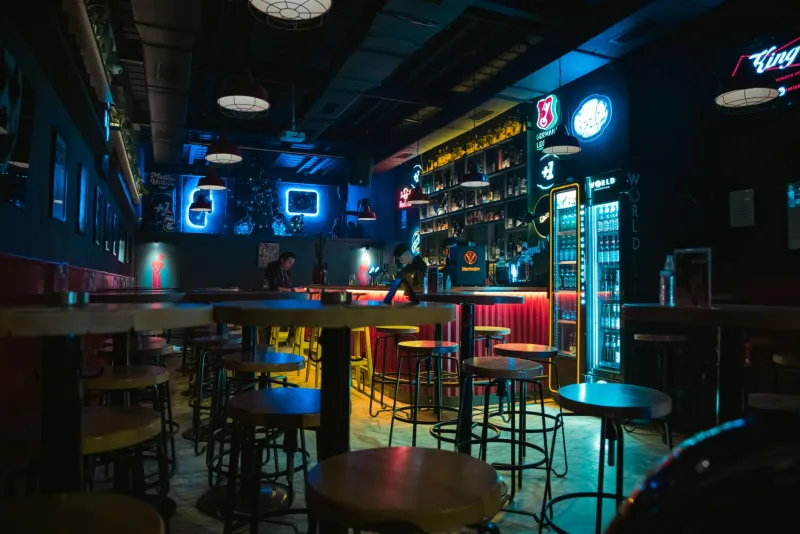
Forget cavernous boozers and four-deep bars — some of London's best pints are poured in spaces smaller than your kitchen. We visit the micro-pubs and taprooms squeezing a whole community into one small room, and meet the regulars who wouldn't have it any other way.
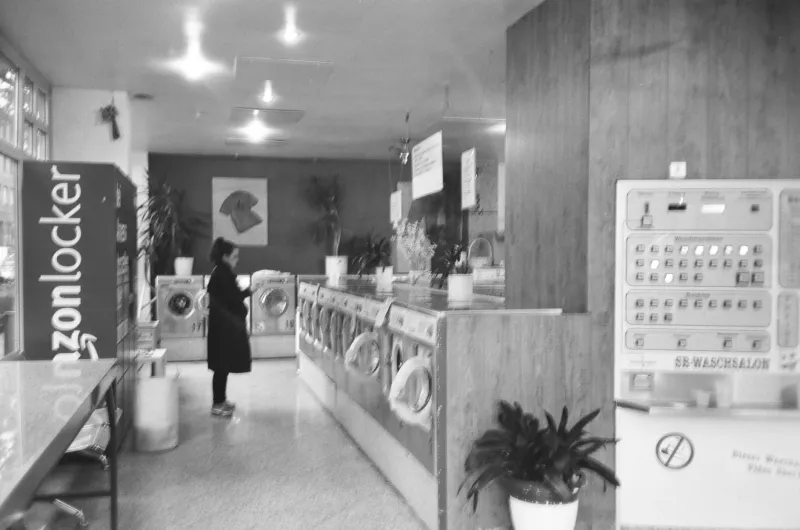
In an age when every flat comes with a drum and a detergent drawer, London's launderettes keep doing brisk business — and not just because of the duvets. We spent a day among the spin cycles of Bethnal Green and Brixton to find out why these steamy little rooms remain the true heartbeat of the neighbourhood.
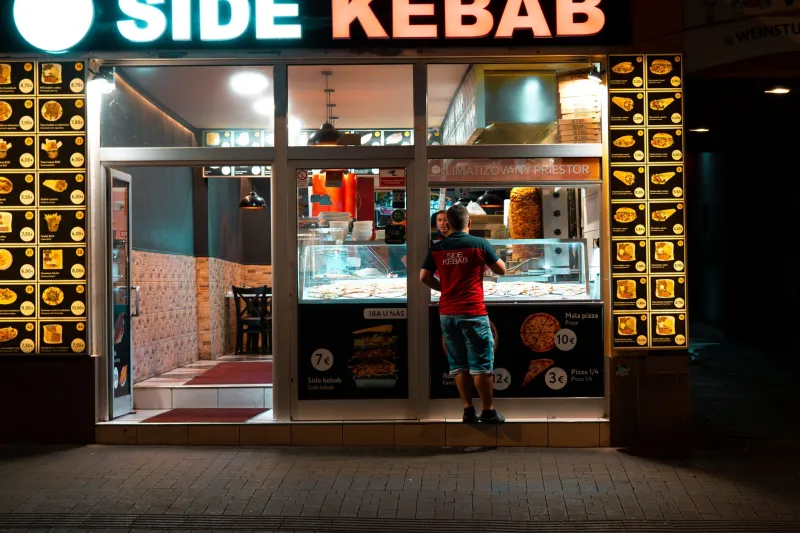
Strip away the neon and the grease-paper, and London's late-night kebab shops might be the most democratic rooms in the city. We argue it's time to stop laughing at them and start listing them.
Behind the strip curtains and past the stacks of Turkish tea glasses, London's barbershops are quietly doing the work that community centres used to. We spent a morning on Green Lanes and in Brixton finding out why the scissors never stop.
Brockwell's art deco lanes, a misty Serpentine at 6am, the Hampstead ponds in January — London's swimmers are out in force, whatever the weather. Here's how the city fell back in love with cold water, and how you can take the plunge too.
Before the arenas and the Netflix specials, every stand-up has to die somewhere — usually a pub back room in Angel with a broken mic stand and six people watching. We spent a month in London's grassroots comedy circuit, where £3 gets you a pint's worth of laughs and possibly a future household name.
Forget the big-ticket landmarks — some of London's best experiences are happening on the ordinary parade of shops round the corner. We wander Walthamstow, Herne Hill and beyond to make the case for the ten-minute neighbourhood.
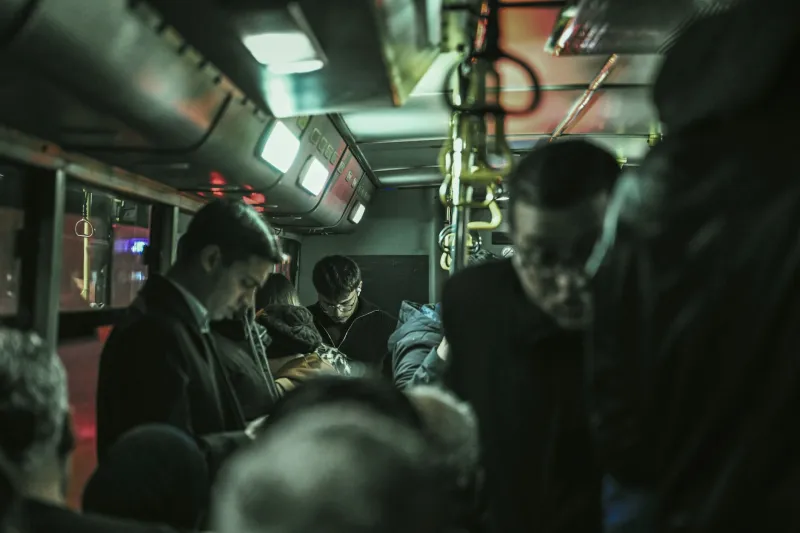
Between midnight and dawn, the night bus becomes something no other corner of London quite manages: a moving living room where everyone's invited. We rode the N route end to end to meet the nurses, bouncers and dreamers keeping the city ticking.
When the Thames pulls back, it hands London a glimpse of its own past — Roman timbers, Tudor buckles, Victorian bottle dumps, all laid out in the silt. We joined the mudlarks on the foreshore to learn what the river gives up, and the strict rules about who gets to keep it.
London's most surprising green spaces aren't found at ground level. Tucked above offices, warehouses, and housing blocks, a quiet revolution of rooftop gardens and sky terraces is reshaping how the city breathes. Most Londoners will never see them — but they're up there, and they're extraordinary.
A disused loading bay in Hackney. A scrubby triangle of tarmac in Lewisham. A forgotten kerb in Hammersmith. Across London, the city's smallest, most overlooked corners have been quietly reimagined — and the ripple effects have been anything but small. We explore how London's micro-space movement is reshaping the way people actually live in their city.
Wedged between office blocks, tucked down forgotten alleys, and squeezed into corners most Londoners walk past without a second glance — the city's micro-parks and pocket gardens are doing something remarkable. They're offering breathing room in a metropolis that rarely pauses for breath, and every single one has a story worth stopping for.
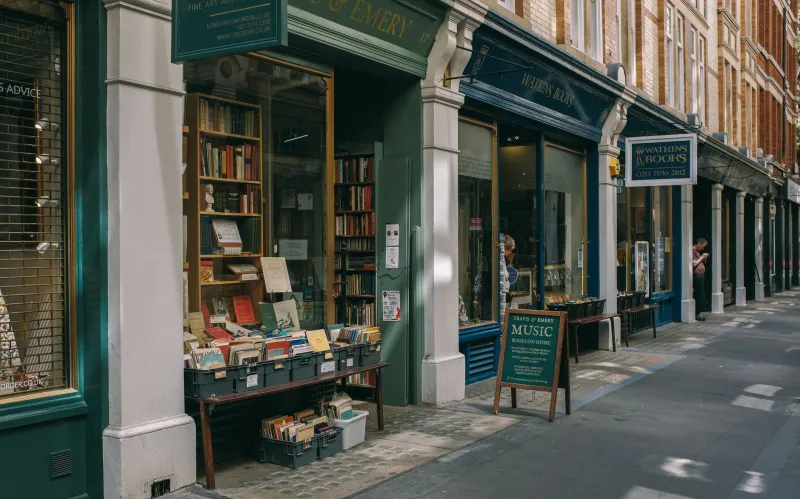
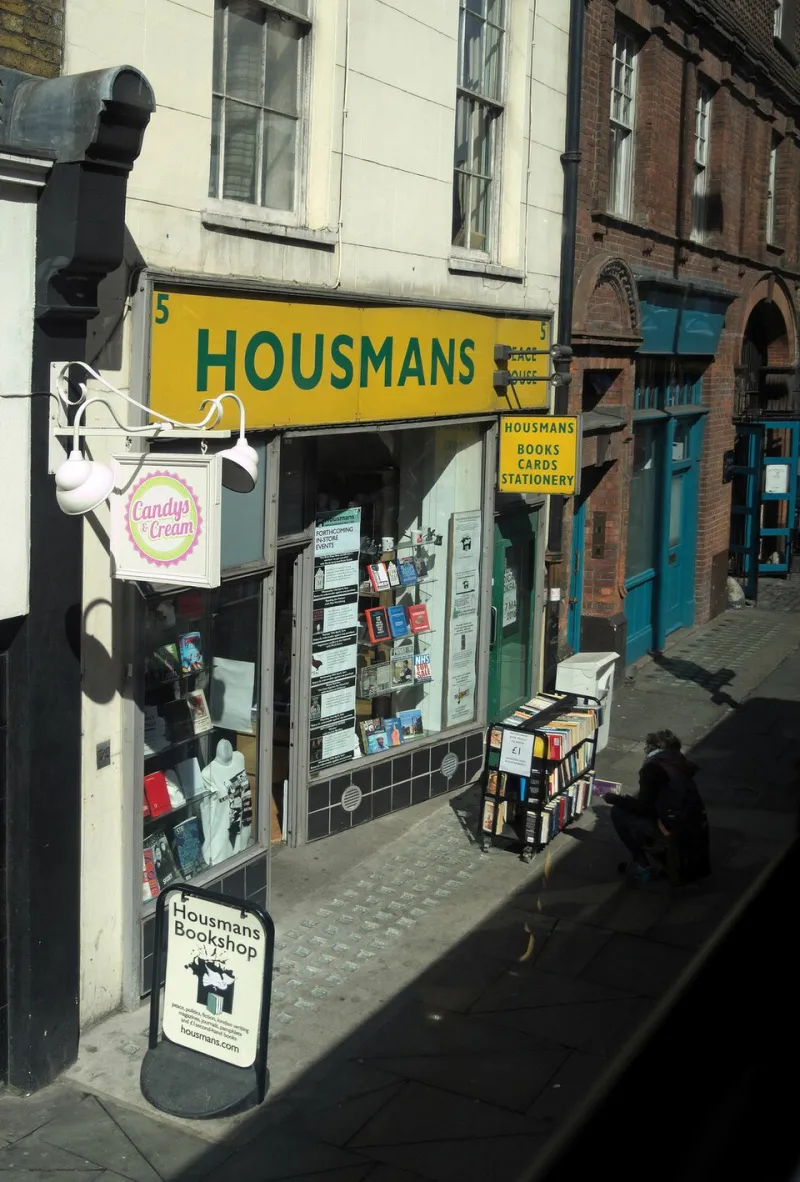
London's independent bookshops have always sold more than books. But increasingly, they're becoming something far harder to define — part living room, part community centre, part quiet act of resistance against a city that sometimes feels like it's forgetting its own soul.
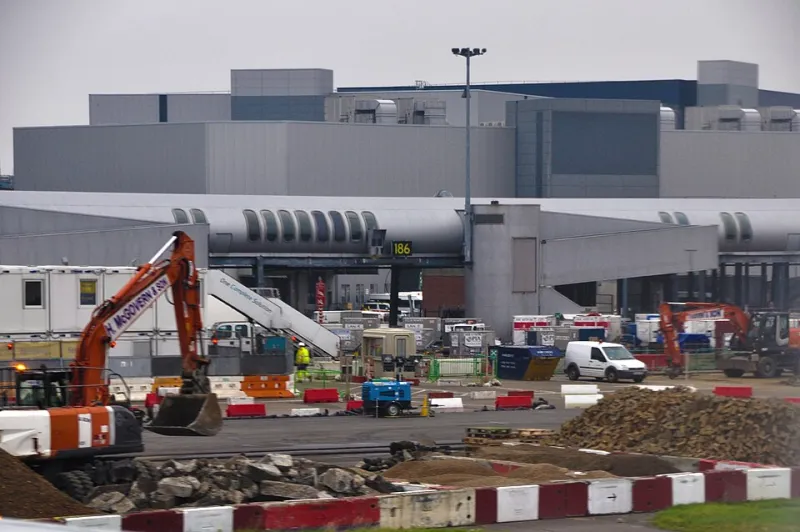
London is always mid-sentence — perpetually tearing something down, throwing something up, and wrapping the whole messy business in blue hoarding. But look closer, and you'll find that the city's construction sites have quietly become some of its most compelling cultural spaces.
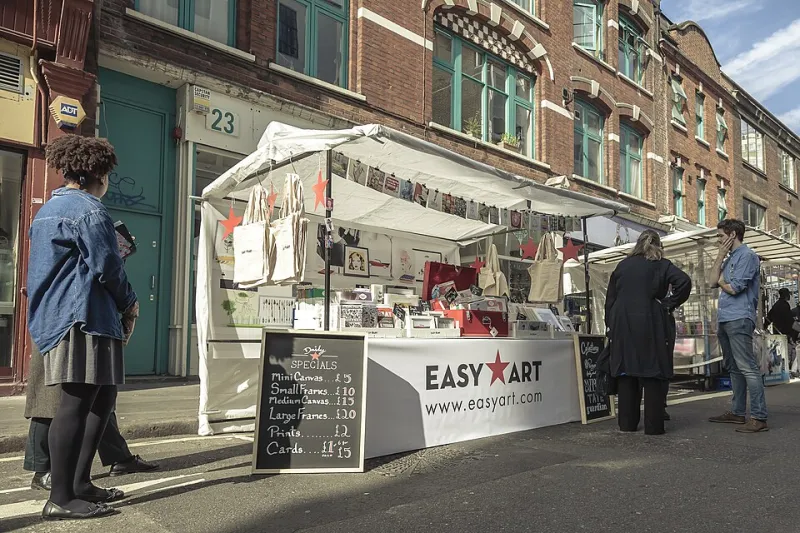
A shipping container selling natural wine. A disused printworks turned three-week supper club. A vintage market that appears every other Saturday in a car park off the Old Kent Road. London's pop-up scene has moved well beyond trend status — it's reshaping how the city eats, drinks, shops, and thinks about space itself. The question is no longer why everything's temporary. It's why that's started to feel like a feature rather than a bug.
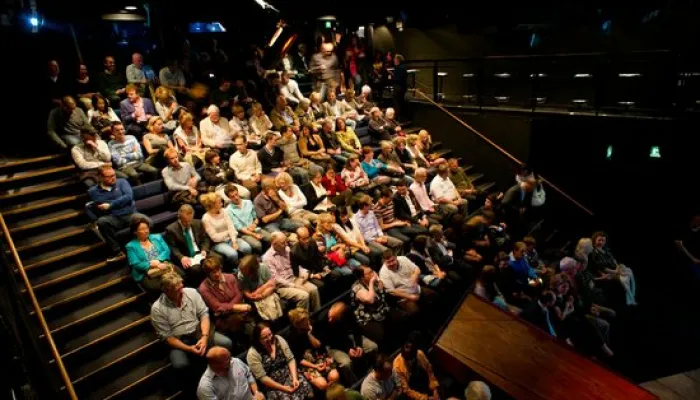
Forget the West End spectacle — London's most electric theatrical moments are happening in pub back rooms, converted arches, and candlelit basements. These intimate venues are where actors sweat, stories breathe, and audiences genuinely forget to check their phones. If you've never sat thirty rows from nobody, you haven't really seen London theatre.
London's world-class museums and galleries aren't just daytime attractions for tourists clutching audio guides. Once the school groups have gone home and the gift shops have shuttered, a completely different city emerges — and the locals have known about it for years.