Liquor and Long Memories: The Pie-and-Mash Shops Holding Their Ground
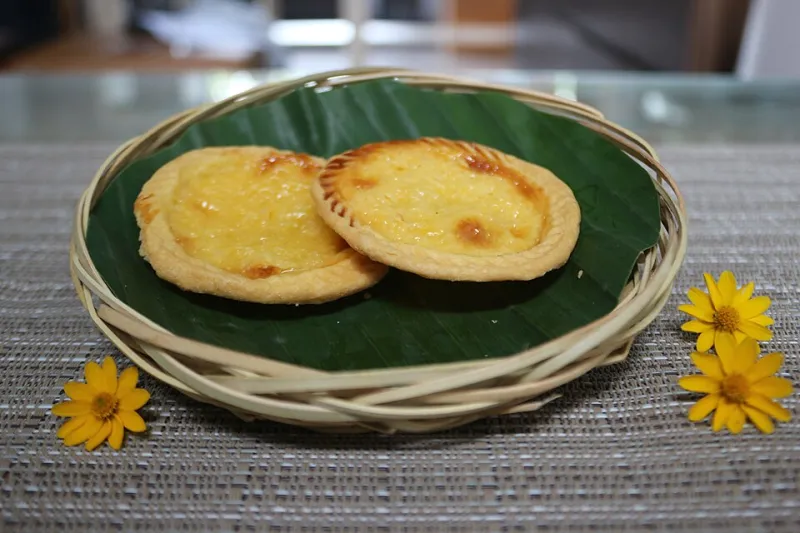
Photo: Joseagush, CC BY-SA 4.0, via Wikimedia Commons
In a shop in Bethnal Green, the smell hits before the door has fully closed. It is a warm, savoury smell: pastry, mashed potato, and the green, parsley-heavy sauce that Londoners call liquor. The tables are wipe-clean. The menu is on the wall. The man behind the counter has been doing this for longer than most of his customers have been alive.
The menu that refuses to change
Pie and mash is not complicated. A pie, usually minced beef, sometimes chicken. Mash. Liquor. Chilli vinegar on the table. Jellied eels if you want them, which many people do not. The recipe has not changed much because it does not need to. It is cheap, filling and fast, and it was invented for people who needed exactly that.
The history runs back to the 19th century, when eel stalls and pie shops fed the growing working-class population of the East End. Over the years, the shops moved indoors, the eels became less central, and the liquor became the thing that regulars judged you on. Today, a handful of shops still serve the same combination, and the ones that survive are fiercely protective of it.
A working-class institution
There is a tendency to talk about pie and mash as a curiosity. It is not. It is a working-class institution, and it belongs to the same London that built the docks, the markets and the streets around them. The shops were never fancy. They were places to eat quickly and get back to work, or to sit with family on a Saturday and spend very little.
That is why the current generation of owners is careful about how they present the food. They know that turning the shop into a museum would kill it. They want it to stay affordable and ordinary. They want the regulars to keep coming, not just the tourists with a checklist.
The young owners trying to keep it alive
Some of the surviving shops are now run by the children or grandchildren of the original owners. Others have been taken on by people from outside the family who fell in love with the place. They are not trying to reinvent it. They are trying to keep the lights on.
That is harder than it sounds. Rents are high. High streets are changing. The footfall that once came from factories and markets has gone. A few shops have closed in the past decade, and each closure feels like a small piece of London disappearing. The ones that remain are often buoyed by a mix of loyal locals, curious visitors and people who want a taste of something real.
What London loses when it goes
Jellied eels are not to everyone's taste. Pie and mash is not fashionable. But that is not really the point. The point is continuity. The point is that a city can keep something ordinary and old without turning it into a heritage exhibit. The point is that a shop can serve the same recipe for generations and still be a living place, not a diorama.
In 2026, the pie-and-mash shops that are still open are not asking for pity. They are asking for customers. They are asking for people to come in, sit down, and order the thing they have always ordered. If you do, you will get a plate of food that tastes like London's memory, and you will be part of the reason it is still there.