More Than a Bookshop: How London's Indie Pages Are Binding Communities Together
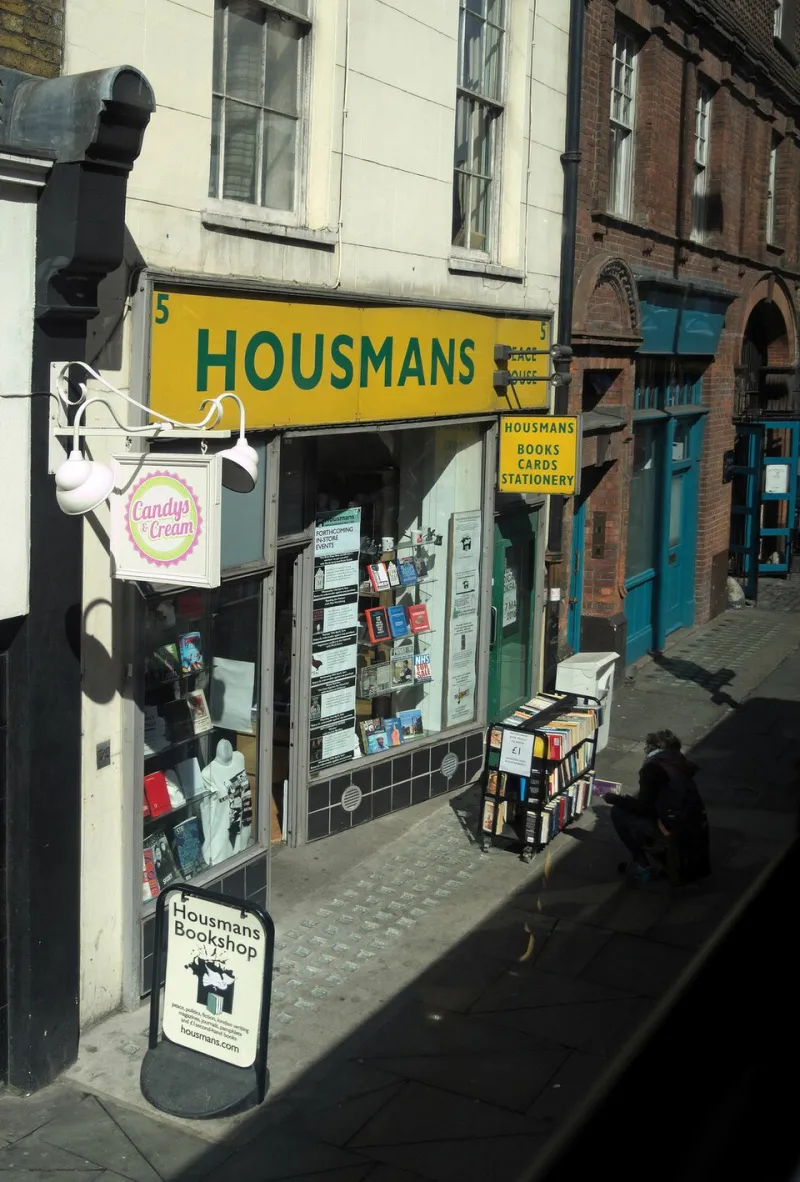
Photo: Jim Osley , CC BY-SA 2.0, via Wikimedia Commons
There's a particular kind of magic that happens inside a good independent bookshop. It's not just the smell — though yes, that too — it's the feeling that someone, somewhere, made a deliberate choice about every single title on those shelves. That someone cared enough to say: this one matters.
Across London, that kind of caring is quietly becoming something bigger. The city's indie bookshops are evolving, and not just in the ways you might expect. Yes, they're surviving against the odds. But more than that, they're transforming — into spaces where people genuinely want to spend time, gather, argue about novels, hear poets they've never heard of, and feel, even briefly, like they belong somewhere specific in a city that can make you feel very anonymous indeed.
The Shop as Living Room
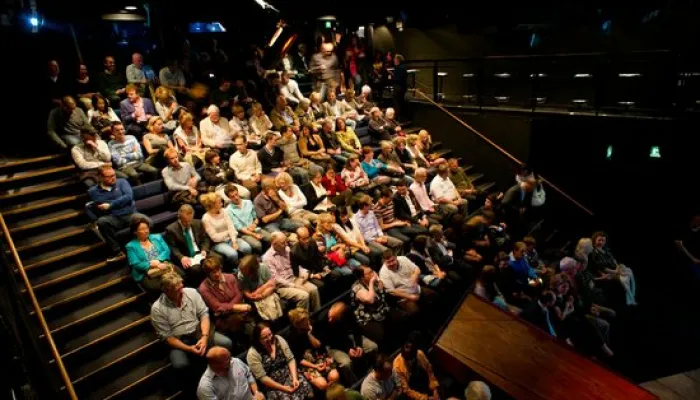
Walk into Burley Fisher Books in Haggerston on a Tuesday evening and you might stumble into a reading from a debut novelist, a panel of small-press editors, or a conversation about literary translation that's gone well over time. The audience — a mix of regulars, curious locals, and the occasional baffled tourist — will be sitting on mismatched chairs, wine in hand, genuinely invested.
"We never really saw ourselves as just a shop," says one member of the Burley Fisher team. "The events were always part of it. But over the past few years, people seem to need them differently. They're not just coming for the book launch. They're coming because they want to be in a room with other people who read."
That shift — from retail destination to cultural anchor — is happening across the capital, from New Cross to Stoke Newington, Brixton to Bermondsey. The shops themselves often look the same as they always did: narrow, overstuffed, slightly chaotic in the best possible way. But what's happening inside them has quietly expanded.
Resistance by Another Name
It's impossible to talk about indie bookshops without acknowledging what they're pushing back against. London has lost hundreds of independent retailers over the past two decades — to rising rents, to online shopping, to the slow creep of chain homogenisation that's made so many high streets feel interchangeable. Bookshops have not been immune.
And yet. The ones that remain are, in many cases, thriving in ways that feel genuinely defiant. Newham Books, which opened in Stratford in 2022, was a direct response to the near-total absence of independent bookshops in a borough of nearly 400,000 people. Its founders were explicit about the politics of that: a community without a bookshop is a community that's been told, in some small but meaningful way, that its literary life doesn't matter.
"People were so hungry for it," one of the founders has said in interviews. "Not just for books, but for a place. Somewhere to come that wasn't a chain, wasn't a screen, wasn't transactional."
That hunger is real. And it's reshaping what bookshops are for.
Underground Literary London
Some of the most interesting things happening in London's literary scene right now aren't taking place in festival tents or arts centre auditoriums. They're happening in bookshops, after hours, in spaces that seat maybe forty people if everyone breathes in.
Hoxton's Pages of Hackney runs a regular late-night poetry series that's become something of a word-of-mouth institution — the kind of event you hear about from a friend who heard about it from a friend. Mr B's Emporium of Reading Delights in Bath has long been celebrated for its "reading spas" (a personal book prescription service that's been widely imitated), but London shops are developing their own rituals: blind date with a book nights, neighbourhood reading groups that have been meeting monthly for years, writing workshops tucked into back rooms.
There's a DIY quality to a lot of it that feels very London — slightly chaotic, underfunded, but running entirely on genuine enthusiasm. These aren't polished literary festivals. They're more like the best kind of house party, where you end up in a corner talking to someone for two hours about a book you've both loved.
The Regulars
Every indie bookshop worth its salt has its regulars. The retired teacher who comes in every Saturday and leaves with two paperbacks and a strong opinion. The twenty-something who browses for an hour, buys nothing, then comes back the next day and buys three things. The parent who brings their child in for the reading corner and ends up staying for coffee.
These people aren't just customers. They're, in a very real sense, the reason the shop exists. And the shop owners know it.
"There's a woman who's been coming in since we opened," says the owner of one south London shop that asked not to be named. "She lost her husband a few years ago. She comes in most weeks, we have a chat, she picks something up. She's told me it's one of the things that keeps her going. That's not something I ever expected to be part of, running a bookshop. But it matters enormously."
It's the kind of story that sounds almost too neat, except that versions of it come up again and again when you talk to people who run these shops. The bookshop as a place of genuine human connection — not manufactured, not curated for Instagram, just real.
Finding Your Local
If you haven't already got a local independent bookshop, finding one is genuinely one of the better things you can do for yourself in this city. The Booksellers Association maintains a shop finder, but honestly, the better method is simply wandering. They tend to appear in the kinds of streets that still have character — slightly scruffy, slightly surprising, the kind of street where you also find a decent coffee shop and a record shop that's been there since 1987.
Some worth knowing about if you're exploring: Libreria in Spitalfields, which organises its stock thematically rather than by genre or author (genuinely disorienting, in the best way). Foyles on Charing Cross Road, which is technically a chain but operates with an indie soul. Word on the Water, the floating bookshop moored at Granary Square in King's Cross, which is exactly as good as it sounds.
But the real finds are always the ones you stumble across yourself. The shop in a neighbourhood you don't usually visit. The one with the handwritten recommendations in the window. The one where the owner actually talks to you.
Why It Matters
London is a city that constantly threatens to erase its own texture — to smooth itself into something glossier, more efficient, more legible to the global market. The indie bookshop is, in its quiet way, a refusal of that. It says: this neighbourhood has a specific literary life. These are the books people here are reading. This is what we think is worth your time.
In a city moving this fast, that kind of specificity is increasingly precious. Go find your bookshop. Become a regular. Bring a friend. Stay longer than you planned.
You'll be glad you did.