Window Seat at 3am: Riding the Night Bus to the Heart of the City That Never Sits Down
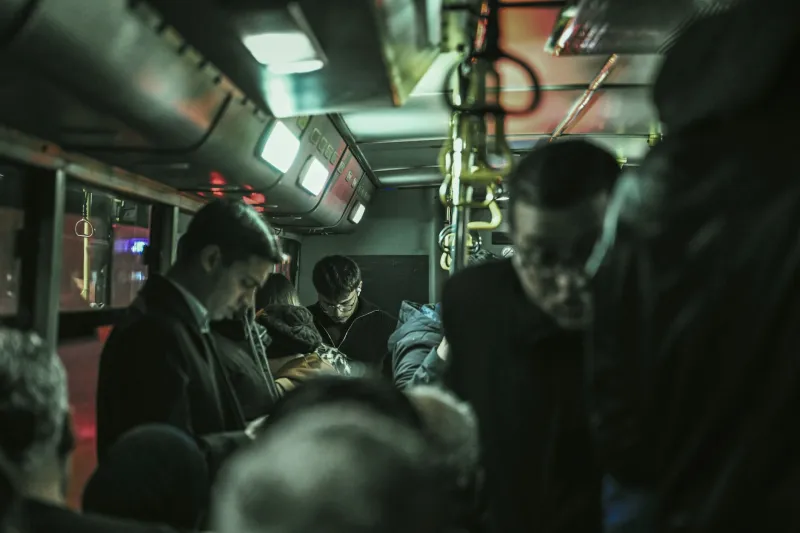
There's a moment on the N29, somewhere around Finsbury Park at half two in the morning, when the bus stops feeling like transport and starts feeling like a place. The lights are that particular shade of tired fluorescent. Someone's sharing crisps with a stranger. A nurse in scrubs has fallen asleep against the window with the practised ease of someone who has exactly forty minutes of sleep available to her and intends to use every one.
I'd decided to ride the night network end to end — not to get anywhere, just to see what happens when London stops pretending it's asleep.
The Most Democratic Room in London
The night bus has always been the great leveller. Before the night Underground launched in 2016, these routes were the only way home for anyone working late or staying out later. Clubbers in glitter and cabbies off shift, kitchen porters, security guards, students, paramedics — all of them funnelling through the same doors, paying the same fare.
That mixing doesn't really happen anywhere else in the city. Not on the daytime Tube, where everyone's folded into their phones. Not in pubs, which sort by tribe. On a night bus, the seating plan is fate, and the shared experience of being awake when you'd rather not be does something quietly social to people.
The routes themselves tell you a lot about how London actually works. The N1 threads from Tottenham to Wandsworth. The N29 runs from Trafalgar Square up to Enfield, one of the busiest night routes in Europe. The N207 out to Hayes and the N63 down to Crystal Palace carry the outer-borough workers the daytimers rarely think about. If you want to understand the geography of who keeps this city running — and who has to travel furthest to do it — the night network map is the most honest document you'll find.
The Regulars
Ride any night route often enough and you learn the cast. There's the cleaner doing a hospital shift, thermos balanced on her knee, who's been taking the same bus for eleven years and knows every driver by name. There are the post-club crews, still humming with the night, comparing setlists. There's the first flight crowd at 4am, suitcases and anxiety, heading for the Piccadilly line's early connections.
And there are the small kindnesses that don't make the news. The man who wakes a sleeping passenger at their stop because he's seen them nod off before. The woman with a bag of pastries from her bakery shift, handing them out. The driver who holds the door an extra few seconds at a stop nobody requested.
The night bus was born in 1913, when the General Omnibus Company started running a handful of all-night routes. It survived the Blitz, when buses carried night workers and fire watchers through burning streets, and it's survived every transport reorganisation since. The famous N-prefix routes as we know them date from the eighties, and they've been the safety net for London's nocturnal economy ever since.
Doing It Yourself
If you're visiting and the idea of seeing the city from a top-deck window at 3am appeals — and it should — here's how to do it well.
Pick a scenic route. The N15 from central London out to Romford passes St Paul's, the Tower and a fair stretch of the East End. The N109 runs along the Embankment and across the river more than once. The N199 towards Lewisham gives you a slow tour of the south-east's late-night high streets.
Go top deck, front row. The view at night is a film London shot just for you: wet roads reflecting traffic lights, kebab shop neon, the Shard glowing over empty streets. It's the cheapest sightseeing tour in the city and the only one with a soundtrack of someone's playlist leaking from their headphones.
Know the rhythm. Buses thin out between roughly 1am and 4am, so check the TfL night bus map and expect longer waits. Contactless or a daily cap covers you the same as daytime. Stick to busy stops and the front of the bus if you're travelling solo, and remember the drivers have seen everything — they're a surprisingly good source of route advice.
Time it to the night markets and 24-hour spots. Brick Lane's bagel shops, the 24-hour cafés around Edgware Road, the Chicken Shops of Legend along the A2 corridor — the night bus connects all of them.
What the Night Teaches You
By the time my route looped back towards dawn, the composition of the bus had changed again: bakers heading in, clubbers finally heading home, a woman with a suitcase full of flowers for a market stall. Nobody had spoken much. Everybody had belonged.
There's a version of London that lives in guidebooks, and there's this one — fluorescent, unglamorous, wide awake. The night bus doesn't care what you do for a living or how you got home. It just takes you there, past the city's lit windows, past everyone else's night, until the sky starts going pale over the roundabouts.
Get a window seat. Stay on past your stop. It's the best tour of London that nobody thought to sell you a ticket for — because you already have one.