Ten Minutes From Your Front Door: The London High Streets That Have Everything Figured Out
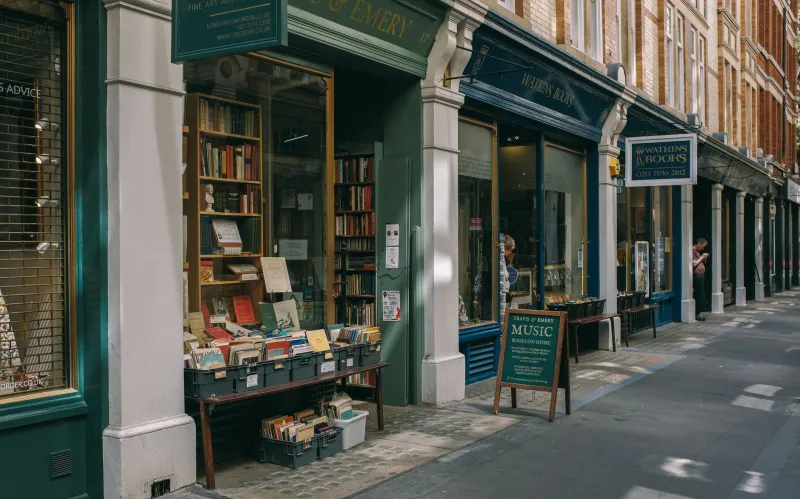
There's a theory doing the rounds among urban planners called the 'ten-minute neighbourhood' — the idea that everything a person genuinely needs should sit within a short walk of their front door. Bakery, greengrocer, chemist, dry cleaner, a pub that knows your order. It sounds almost radical, the kind of thing you'd need to build from scratch.
Except London has been quietly doing it for centuries. The capital isn't one city so much as a sprawl of villages stitched together by red buses and stubborn local pride, and each of those villages still tends to have a high street doing exactly what high streets have always done. You just have to notice it.
The Case for the Ordinary
We spend a lot of time on this site hunting down the hidden, the secret, the blink-and-you'll-miss-it. But there's a strong argument that the most authentically London experience available isn't behind a velvet rope or down a nondescript side door. It's a Saturday morning queue at a bakery on a shopping parade, surrounded by people who actually live here.
The ten-minute neighbourhood isn't a destination. That's rather the point. It's the place you'd walk to in slippers if you could get away with it.
Walthamstow Village: The Template
Start in E17, because Walthamstow Village is essentially the concept in physical form. Within ten minutes of the churchyard at its heart you've got Orford Road's strip of independent shops — a proper bakery, a wine shop that runs tastings, cafés where dogs outnumber customers on a Sunday.
It helps that the Village sits a short hop from Walthamstow Market, reputedly the longest outdoor market in Europe. Grab a bag of mangos for a pound, then retreat to the Village for a flat white. This is the rhythm of the place: big, loud, properly East London market energy, followed by small, leafy, village calm. Ten minutes' walk between the two.
Herne Hill: The Village That Behaves Like One
Head south to Herne Hill, wedged between Brixton and Dulwich and often treated as a stop on the way to somewhere else. Mistake. Station Square on a Sunday, when the market takes over and the pubs spill onto the pavement, is about as good as London street life gets.
The Half Moon has been pouring pints here since the seventeenth century (in one form or another), and the greengrocer, the butcher and the fishmonger all sit within a stroll of each other. It's the kind of place where you go in for a loaf and leave twenty minutes later having had two conversations.
And the Rest of the Roll Call
Once you start looking, they're everywhere. Church Street in Stoke Newington, with its bookshops and its Saturday farmers' market spilling through the churchyard. East Dulwich's Lordship Lane, where the butchers and the cheese shop have queues worth the wait. The Broadway in Stroud Green. Wandsworth's Old York Road, all ten shops of it, doing a tidy trade in morning coffee and evening wine.
What they share isn't prettiness, exactly — though several are lovely. It's completeness. You could live your entire life within a ten-minute radius of these parades and want for nothing except a decent excuse to leave.
How to Do It Like a Local
If you're visiting, here's the move: pick a neighbourhood, take the Tube or the Overground to its station, and don't go to the attraction. Go to the parade. Buy your lunch where the locals buy theirs. Sit outside the pub at 5pm on a Friday and watch the school run and the after-work crowd collide. Visit the market and let someone talk you into buying a plant you don't need.
Better yet, time your trip around one of the small rituals — a Saturday market, a Sunday roast, the Thursday-night pub quiz you'll inevitably lose.
Why It Matters
There's a broader point lurking here. High streets have taken a battering over the past decade, and the ones that survive do so because people use them — daily, unglamorously, for milk and batteries and a swift half. Every flat white bought at an independent café rather than a chain is a small vote that this street keeps existing.
So yes, ride the London Eye. Gawk at the Tower. But if you want to understand the city — really understand it — spend ten minutes on its high streets instead. That's where London actually lives.