Small Stages, Big Feelings: The Fringe Theatres Where London's Real Drama Lives
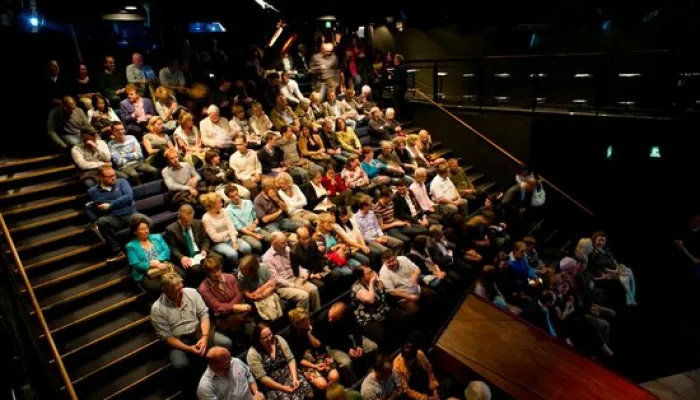
Photo: intimate fringe theatre small stage audience London, via d1aa8nr60e15on.cloudfront.net
There's a particular kind of magic that happens when an actor is close enough that you can see them blink. No surtitles. No stadium seating. No £18 programmes. Just a story, a performer, and maybe forty people crammed onto mismatched chairs in a room above a pub in Islington. That's the London theatre most visitors never find — and the one that most Londoners quietly treasure.
While the West End keeps churning out £150-a-seat revivals and jukebox musicals with enough pyrotechnics to rival the New Year's fireworks, something altogether more interesting is happening in the city's margins. London's fringe theatre scene — scrappy, underfunded, and consistently brilliant — is where the real dramatic conversation is taking place.
Why Small Rooms Change Everything
Ask anyone who works in theatre and they'll tell you the same thing: proximity transforms a performance. When you're sitting twelve feet from a performer, there's nowhere to hide — for them or for you. The emotional contract between stage and audience becomes something almost physical.
The Gate Theatre in Notting Hill operates out of a room above a pub that holds fewer than seventy people. It's been doing so, in various forms, since 1979. The programming tends toward international work — plays translated and adapted from languages and traditions rarely seen on bigger stages. Walking in off Pembridge Road, past the bar and up the narrow stairs, you get the distinct sense that you're being let in on something. Which, honestly, you are.
Similarly, the Finborough Theatre in Earl's Court — another pub theatre, another room that shouldn't work as a performance space but absolutely does — has launched more careers and unearthed more forgotten plays than venues ten times its size. It seats around fifty. On a sold-out night, the energy is extraordinary.
The Arches, The Basements, The Repurposed Everything
London's fringe venues have an almost competitive relationship with unconventional architecture. The Vaults, tucked beneath Waterloo station, transforms its Victorian railway arches into labyrinthine performance spaces that feel genuinely otherworldly. Shows here tend to lean immersive — you might find yourself wandering between scenes, drinks in hand, with performers appearing from shadows. It's the kind of experience that's difficult to explain to someone who wasn't there, which is, of course, the point.
In Hackney, the Arcola Theatre operates out of a former textile factory on Dalston Lane. It's been a crucial part of east London's creative fabric for over two decades, and it runs on a genuinely community-minded model — cheap tickets, a commitment to sustainability, and a programming philosophy that actively seeks out voices underrepresented elsewhere. The café-bar out front is reliably good for a pre-show drink, and the crowd tends to be the sort of mixed, curious, engaged audience that bigger venues spend millions trying to attract organically.
The Pub Theatre Is Not a Lesser Thing
There's a persistent snobbery — mostly from people who've never actually been to one — that pub theatres are somehow a step below 'proper' theatre. This is nonsense. The King's Head in Islington is widely credited as the first pub theatre in the UK, opening in 1970, and it has hosted work that has gone on to transfer to Broadway. The Bush Theatre in Shepherd's Bush, though it's grown into its own dedicated building now, started as a pub room and has never lost that scrappy, risk-taking spirit.
What pub theatres offer is an informality that can be enormously freeing. You can have a pint. You can move your chair slightly. The fourth wall, when it exists at all, is more of a polite suggestion. And because the economics are different — lower overheads, smaller casts, shorter runs — producers can afford to take chances on material that a commercial West End venue would never touch.
Where to Start If You're New to All This
If you're visiting London and want to experience something genuinely memorable for under £20, the fringe is your best option by a considerable distance. A few reliable entry points:
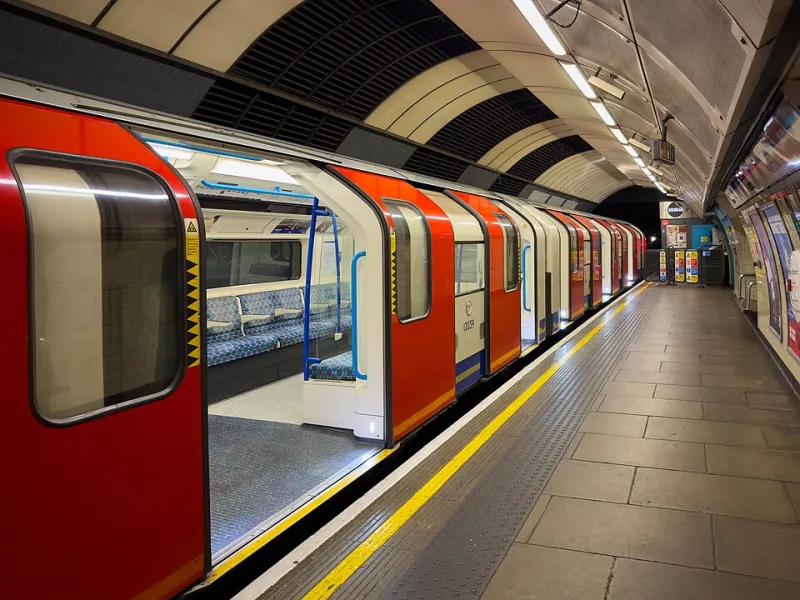
The Orange Tree in Richmond is technically a receiving house rather than a pub theatre, but its in-the-round staging — audience on all sides, stage in the centre — creates an intimacy that's unlike anything you'll find in the West End. Getting there on the District line feels like a proper adventure.
Southwark Playhouse operates across two venues in Borough and Elephant & Castle, and consistently punches well above its weight. The programming is intelligent without being alienating, and the bar is decent.
The Hope Theatre in Islington is a genuine hidden gem — a tiny, passionate operation running new writing with a level of commitment that's almost moving. Check the listings before you go; they change frequently.
The Audiences Are Different Too
Something shifts when you walk into a fringe venue. The audience tends to be more attentive, more willing to be challenged, and paradoxically more relaxed. There's less of the performative dressing-up that can make a West End night feel oddly stressful. People come because they want to be there, not because it's a special occasion or a tourist obligation.
Regulars develop genuine relationships with venues. They follow certain writers or directors from show to show. They become, in the truest sense, part of the theatre's community. That's a relationship the big commercial houses, for all their marketing budgets, simply can't manufacture.
London's pocket theatres are a reminder that the city's cultural life doesn't require scale to be significant. Sometimes the most lasting experiences happen in the smallest rooms.