After Dark, Off the Map: The Late-Night Food Scenes Londoners Are Keeping to Themselves
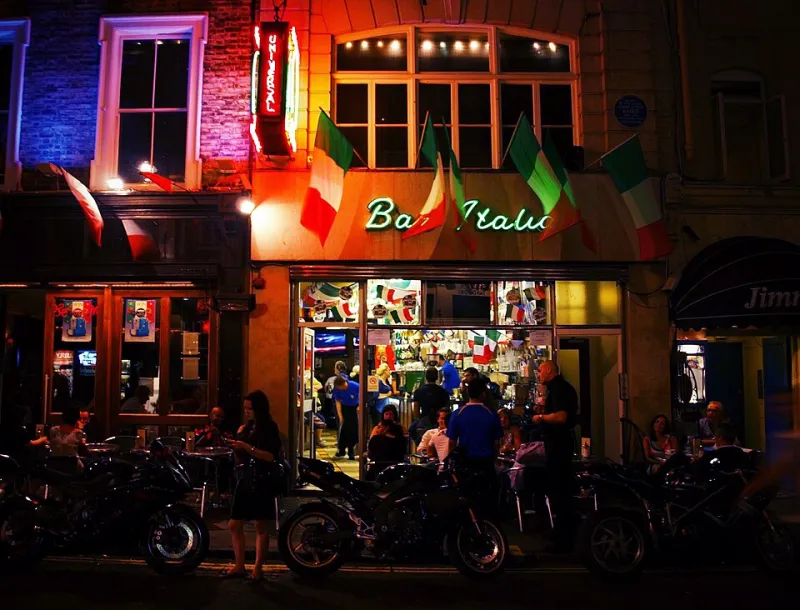
Photo: SomeDriftwood from Liverpool, England, CC BY 2.0, via Wikimedia Commons
There's a version of London's food scene that exists entirely for other people. The one with the branded restaurants in Covent Garden, the celebrity-chef steakhouses near the South Bank, the conveyor-belt sushi places designed to be photographed before they're eaten. It's fine. It serves a purpose. But it has very little to do with how this city actually eats.
The London that locals know — the one that rewards a bit of curiosity and a willingness to get on a bus — is considerably more interesting. And nowhere is that truer than after dark, when the tourist economy winds down and something else entirely takes over.
Why the Edges of the City Are Where It Gets Good
There's a practical reason why London's most vital food scenes tend to cluster away from the centre. Rents. A railway arch in Peckham or a converted warehouse unit in Tottenham costs a fraction of what a restaurant space in Soho would set you back, and that financial breathing room allows chefs and food entrepreneurs to take risks that the central London economics simply don't permit.
The result is a kind of creative ferment happening in the outer zones and inner-south boroughs that the guidebooks are only beginning to catch up with. Supper clubs run from domestic kitchens. Street food collectives that occupy car parks on Friday and Saturday nights. Pop-up restaurant residencies that last a month and leave no forwarding address. If you want to find them, you need to know where to look — or at least know someone who does.
Peckham After Hours
If you haven't spent a Friday night in Peckham recently, you're missing one of London's great pleasures. The area around Rye Lane and the railway arches has developed a food-after-midnight culture that feels genuinely unlike anywhere else in the city.
The arches themselves are the key. Cheap, atmospheric, and plentiful, they've attracted a rotating cast of food operators who tend to stay open well past the point where most restaurants have sent their staff home. You'll find West African grills doing skewers and jollof rice at midnight, Caribbean spots where the patties are still coming out of the oven at one in the morning, and a handful of late-night ramen and noodle operations that have quietly built cult followings among the post-club crowd.
The vibe is relaxed and genuinely local. These aren't places that have been styled for Instagram — they're places that exist because there's a community that needs them at that hour. Pull up a plastic chair, order whatever the person next to you is having, and stay a while.
Tottenham's Emerging Food Identity
North of the river, Tottenham has been quietly developing a food scene of its own that's starting to attract serious attention. The High Road and the streets around it have long been home to one of London's most diverse communities, and that diversity is reflected in an extraordinary range of food available at hours when the rest of north London is thinking about bed.
The Turkish and Kurdish restaurants and ocakbasi grills that line parts of Green Lanes — technically Haringey, but deeply connected to the Tottenham food world — operate on a schedule that suits the communities they serve. These are places where the lamb chops arrive at eleven at night and the mezes keep coming until the last table is ready to leave. There's no rush, no turning tables, no prix-fixe menu. Just very good food at reasonable prices, eaten at a pace that suits the occasion.
Further east, around Tottenham Hale and the new developments near the stadium, a younger food culture is emerging — small-batch hot sauce makers selling at weekend markets, Eritrean and Ethiopian spots doing late-night injera, a couple of genuinely excellent bakeries that open early enough to catch the night-shift workers heading home.
The Supper Club Underground
For a different kind of late-night eating entirely, London's supper club scene offers something that no restaurant can quite replicate. These are intimate, often irregular events — sometimes held in people's homes, sometimes in borrowed commercial kitchens or community spaces — where a chef cooks a set menu for a small group of strangers who've found their way there through word of mouth, a newsletter, or an Instagram follow.
The food at the best of these events is genuinely exceptional. Freed from the commercial pressures of a permanent restaurant, chefs can cook what they actually want to cook — which often means more personal, more adventurous food than you'd find on a standard restaurant menu. Diaspora cooking gets a particular showcase here: British-Nigerian chefs reinterpreting their grandmothers' recipes, second-generation Bangladeshi cooks doing something entirely new with the flavours they grew up with, Caribbean-British fusion that doesn't feel like fusion at all, just honest cooking from someone with a complicated and interesting heritage.
Finding these events requires a bit of effort. Follow food writers and local chefs on social media. Sign up to the newsletters of independent food publications. Ask in the local Facebook groups. The effort is worth it — these are the evenings that people talk about for months afterwards.
What to Know Before You Go
Venturing into London's late-night food economy requires a slightly different approach than booking a table somewhere central. A few things worth bearing in mind:
Cash still matters in some places. Not everywhere, but enough that it's worth having some on you. Some of the best late-night spots are still cash-only, particularly the smaller operations in the arches and at street markets.
Timing is everything. 'Late-night' means different things in different neighbourhoods. In Peckham, things get going around ten and peak around midnight. In some of the Turkish spots on Green Lanes, the real atmosphere doesn't arrive until after eleven. Don't turn up at nine expecting the full experience.
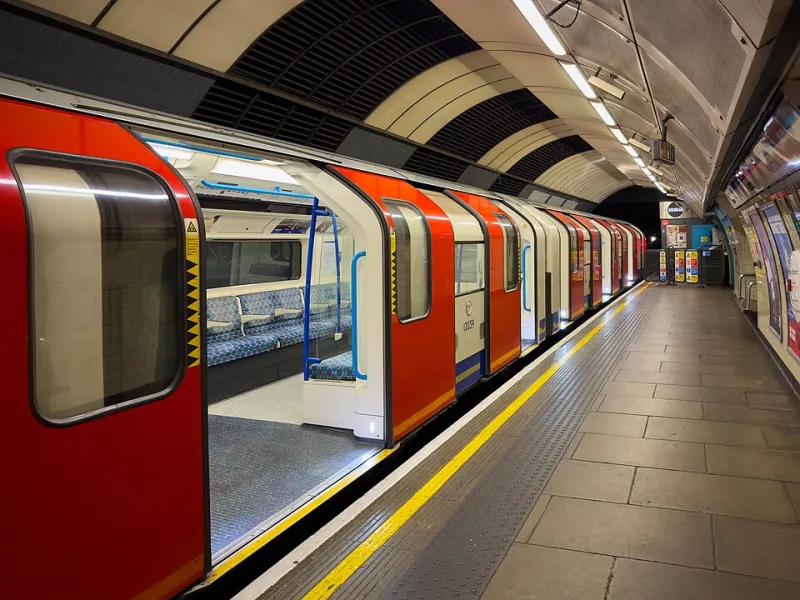
Get on the bus. Seriously. The night buses connecting south and east London are part of the experience — crowded, warm, full of people who've just eaten something excellent and are very happy about it. Embrace them.
Talk to people. The best recommendation you'll get for the next place to try will come from the person sitting next to you at the current one. London's late-night food community is sociable and generous with its knowledge. Ask where they're going after this.
The Bigger Picture
What's happening in these corners of London is about more than just food. It's about communities creating economic and cultural infrastructure for themselves, in the spaces the mainstream economy has left behind or not yet noticed. It's chefs and entrepreneurs building something real in a city that can feel, from certain angles, like it's becoming increasingly unaffordable and homogeneous.
The West End will always have its place. But the London that will still feel like itself in twenty years — the one worth travelling for, worth living in, worth knowing — is being made in these railway arches and community kitchens and borrowed warehouse spaces, late at night, one extraordinary plate of food at a time.